Consumer Financing
Give customers a clear way to spread a larger purchase.
A customer can want the work and still be unable to pay the whole invoice today. We help you evaluate pay-over-time options and fit an application flow into quoting or checkout. Customers see the available terms, and your staff understand what approval and funding actually mean before promising a start date.

The work keeps landing back on your desk.
This is for businesses selling larger jobs or purchases: HVAC, roofing, remodels, dental, auto repair, equipment and higher-ticket retail. Payment timing can be the obstacle even after a customer understands the value. Financing offers another route to purchase, provided the customer qualifies and the cost works for both sides.
What we build
Discuss payment options before the sale stalls
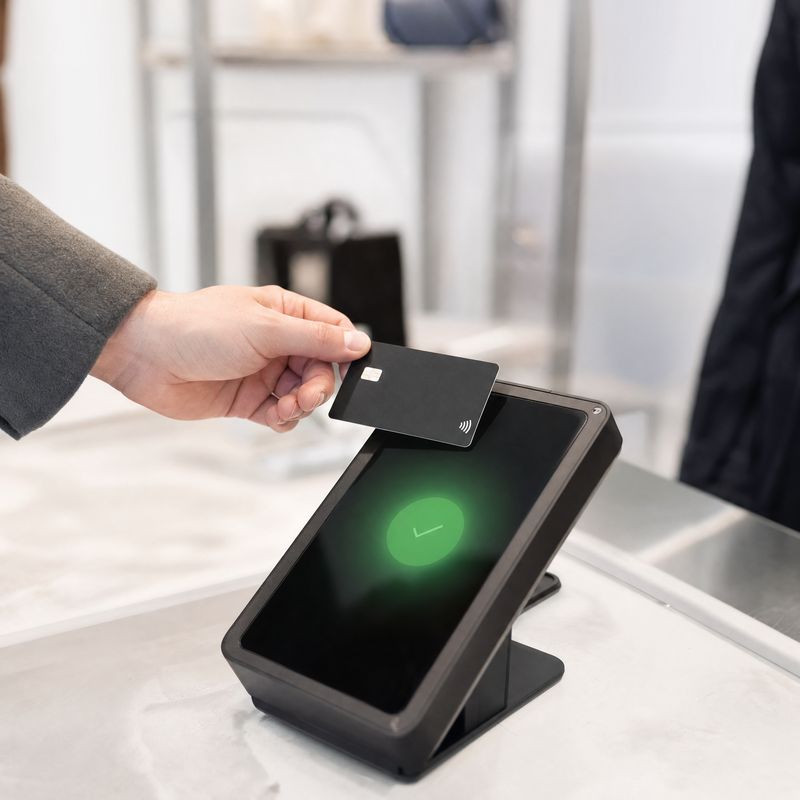
Let customers consider an eligible plan while reviewing the quote. We help place the application step where staff can explain it without pressuring the customer. The full purchase price stays clear alongside any monthly illustration and lender-provided terms. A smaller payment does not mean a cheaper purchase.
Match the program to what you sell
Avoid offering a product that does not support your industry or typical job size. We compare available programs against those requirements and review merchant charges. Approval criteria and customer pricing belong to the provider; we do not promise that every applicant will qualify.
Know when you can expect payment

Plan fulfilment around the actual funding conditions. We review when the provider releases funds and whether completion evidence or other steps are required. Staff should distinguish an application, an approval and a funded transaction. The applicable agreement determines settlement timing and merchant responsibilities.
Fit the process into your payment setup

Keep applications and invoices from becoming disconnected. We scope the supported checkout, payment link or in-person flow, then define who checks status. Where a direct connection is unavailable, the written handoff tells staff what to verify before recording the sale as paid.
What a KCG build includes
The project is a program review and implementation of the agreed flow. Lender approval and merchant onboarding are separate requirements.
- A program comparison
- Available options assessed against your industry and sale size, with fees, settlement conditions and dependencies identified.
- An application path
- A tested route from the quote or checkout to the provider's application, using its approved disclosures and materials.
- A staff operating guide
- How to introduce the option, check status and handle a declined application without promising approval elsewhere.
- A funding and refund handoff
- Who confirms settlement and who contacts the provider when a job changes or is cancelled. Ongoing provider costs stay visible.
Put a number on the time bought back
Published research gives us a reason to measure. Your own results determine what the work is worth.
93%
Reviews inform purchase decisions
BrightLocal's 2026 survey found 93% had bought after reading reviews. This supports showing credible business information alongside payment options; it does not measure financing results.
27%
Some reviewed purchases are substantial
BrightLocal found 27% had spent more than $1,000 after reading reviews. That is purchase context, not evidence of financing-driven sales growth.
What the build actually looks like
Review: understand your sales
We discuss typical invoices and when payment objections arise. You provide the payment setup and the timing needed to order materials or begin work.
Compare: inspect the terms
We review program eligibility and merchant costs. You decide whether the available options suit your margins before committing to onboarding or integration work.
Implement: test the customer path
We configure the agreed application handoff and train staff to use approved explanations. The checks cover declines and incomplete applications as well as the expected flow.
Handover: measure actual use
We agree how to review applications, funded sales and fees. Your own data can show whether the program helps; we do not substitute a vendor's sales-lift claim.
A good fit
- Customers want larger purchases but sometimes need to spread payment.
- You have enough margin to evaluate provider fees and clear fulfilment rules.
Not a good fit
- You want guaranteed approvals or a guaranteed increase in order value.
- You need payment before the provider allows funding and cannot carry that gap.
Common questions
Will this increase our close rate?
It may help customers whose obstacle is payment timing, but we cannot promise a percentage. We measure completed, funded sales and the costs against your own starting point.
Do we receive the full price upfront?
The provider's agreement controls timing and deductions. Merchant fees, completion requirements or reserves may apply. We review those details before you plan cash flow around a financed sale.
Is there any risk left with us?
Yes, there can be obligations for refunds, disputes, fraud or contract breaches. Lender underwriting does not remove your responsibility to deliver the agreed goods or work.
What happens if a customer is declined?
Staff should explain that the provider made the decision and offer any other payment methods you accept. A different plan may have different criteria, but another approval is never assumed.
Can we advertise a monthly payment?
Use the provider's approved illustrations and required terms. The amount depends on the actual price, repayment period and financing cost. We avoid unsupported examples that make borrowing look free.
Why offer this instead of discounting?
Arithmetic: a sale that cannot proceed under payment-in-full terms contributes no sale revenue today. A funded plan may allow it to proceed, less fees and fulfilment costs. That comparison is not a study finding or a prediction that every declined quote becomes a sale.
Check whether financing fits your larger jobs.
Bring a typical invoice, your margins and when you need payment. Seth or Hunter will discuss available program requirements and the cost of adding pay-over-time.